Planning Our Garden
Now that we know how plants grow and what they need in order to grow and stay healthy we can begin to think about how we would like to design our garden.
There are generally two types of vegetable gardens. A dig garden is a garden that is planted directly into the soil. A bed, raised or no dig garden is a garden that is built using wooden runners or brick to create a box. The raised box is then filled with soil. Since we cannot dig up the school we will be using a no dig garden.
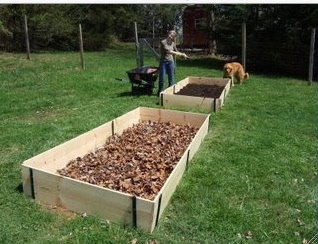
The first and most important thing we need to consider for our garden is placement. Why do you think this is? The reason is that vegetable gardens need as much sunlight as possible. Try to think of an area at school which is exposed to the sun as much as possible.
The next aspect to consider is what vegetables we would like to grow in the garden. There are many different types of vegetables. We eat many different parts of plants for example we eat roots such as carrots and beetroot, we eat the leaves such as lettuce or broccoli and we eat the stems such as celery. We can choose to plant whatever we would like. The only consideration for choosing vegetables is that different vegetables grow at different parts of the year.
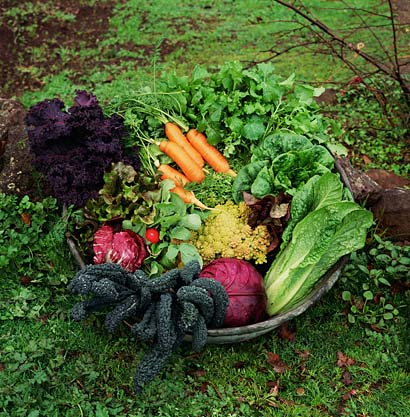
Winter Vegetables:
- Asparagus
- Garlic
- Shallots
- Horseradish
- Rhubarb
- Lettuce
- Onions
- Peas
- Silver beet
- Spinach
- Broad Beans
- Asian vegetables
- Leek
Spring Vegetables:
- Carrots
- Cabbage
- Herbs
- Beetroot
- Cherry tomatoes
- Tomatoes
- Lettuces
- Cucumbers
- Capsicum
- Eggplant
- Zucchini
- Spring onion
- Silver beet
- Peas
- Water chestnuts
- Ginger
- Potatoes
- Rocket
- Asian vegetables
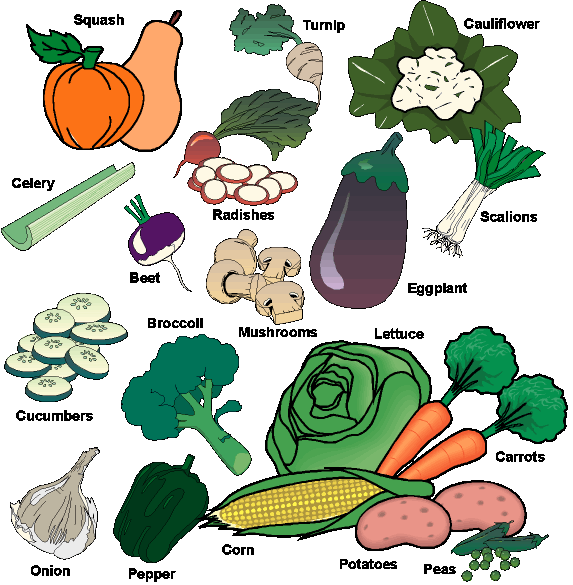
Summer Vegetables:
- Beetroot
- Brussels sprouts
- Cabbage
- Cauliflower
- Carrots
- Celery
- Chinese cabbage
- Cucumber
- Endive
- Lettuces
- Parsnips
- Radish
- Silver beet
- Squash
- Sweet corn
- Tomatoes
Autumn Vegetables:
- Beetroot
- Broccoli
- Cabbage
- Carrots
- Asian greens
- Cress
- Leeks
- Lettuces
- Onions
- Parsley
- Peas
- Radish
- Rocket
- Shallots
- Spinach
- Swedes
- Turnips
Once we have decided what we are going to plant it is now a matter of getting our hands dirty and planting the seeds or seedlings.
Be Gentle
First thing to consider when planting is that its important to be as gentle as with the seedlings. A plant being moved out of its pot can cause damage to the root system and the plant can die. For this reason it is important to treat the seedling very gently.
When taking a seedling out of the pot, squeeze all the sides of the pot. This helps the plant to slide out of the pot smoothly.
Tickle and Tease
Once the seedling is out of the pot the roots will cause the soil in the pot to look like a cube or cylinder.
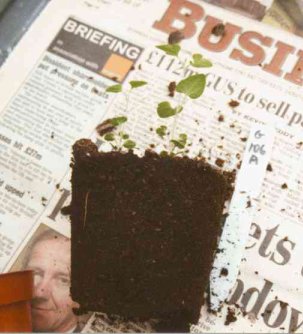
By "tickling" the bottom of the soil it is possible to break up the cube shape and let the roots hang freely. Once planted this will allow the roots to establish themselves.
Feed and Water
Once the seedling is planted it is important to feed the seedling so it can get the best start. Compost (covered in the next page) is sprinkled over the top. This puts lots of nutrients into the soil and also acts as a barrier to stop unwanted plants (weeds) from growing up. Finally the garden needs a big long drink of water. Another school demonstrates planting a vegetable garden in this video.
